

Pizza Rustica (Italian Easter Pie or Pizza Chiena)
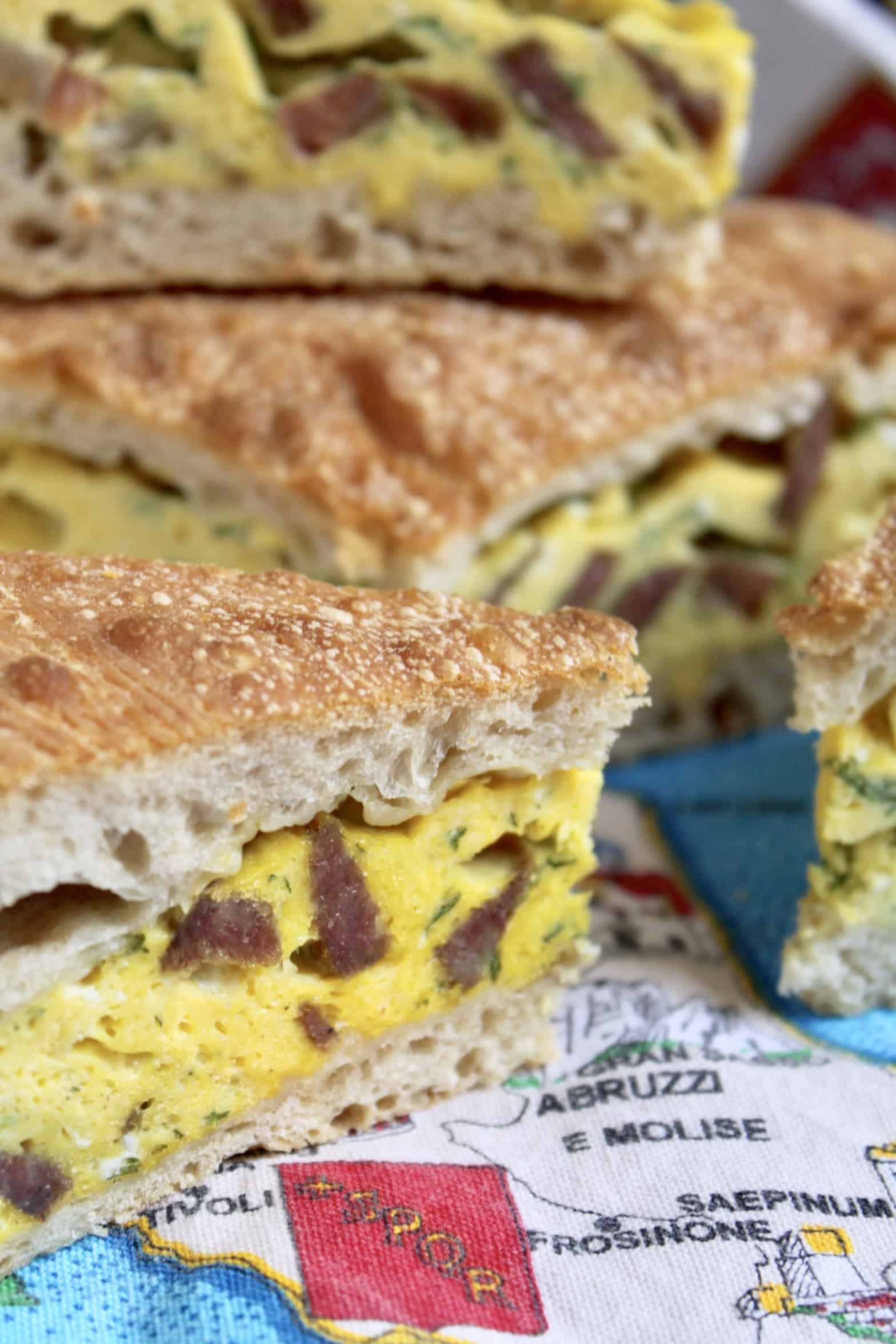
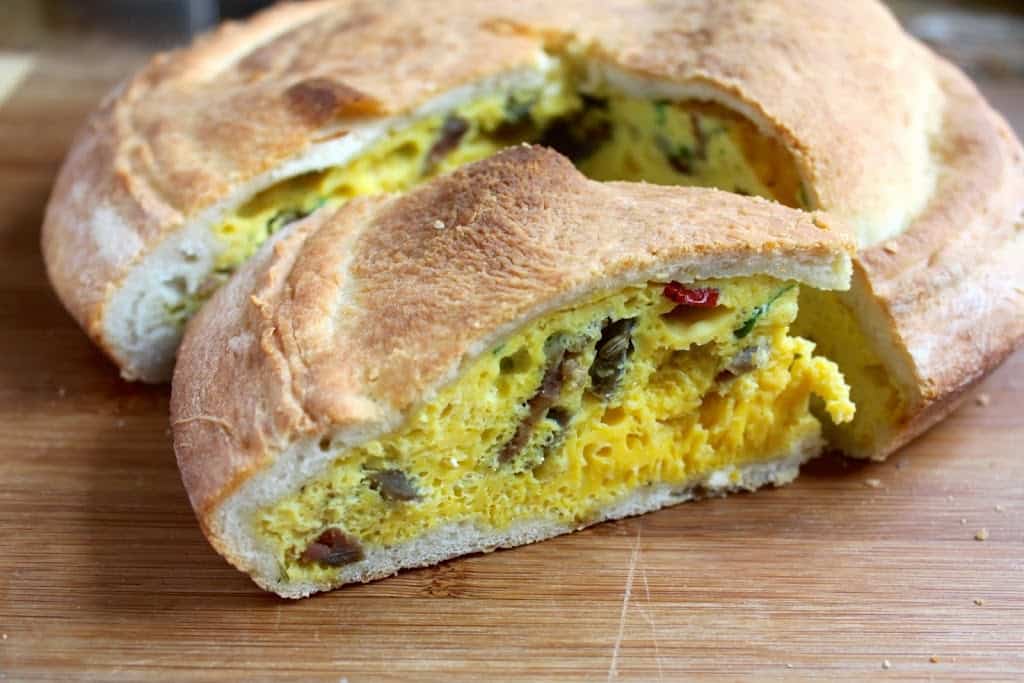
Pizza rustica, pizza chiena or Italian Easter pie, is made with eggs and cured meats. It’s a typical savory Italian Easter creation that is beyond delicious!. Made with pizza dough or bread dough, filled with beaten eggs, cheese, and cured Italian meats, it’s a fabulous dish that will have everyone raving!
Originally published on April 11, 2014.
If you’ve never had pizza rustica, you’re in for a delicious surprise!
As an Amazon Associate I earn from qualifying purchases
However, if you were raised in an Italian household, you probably know about pizza rustica, or pizza chiena, as it is traditionally made and served during Easter.
What is Pizza Rustica?
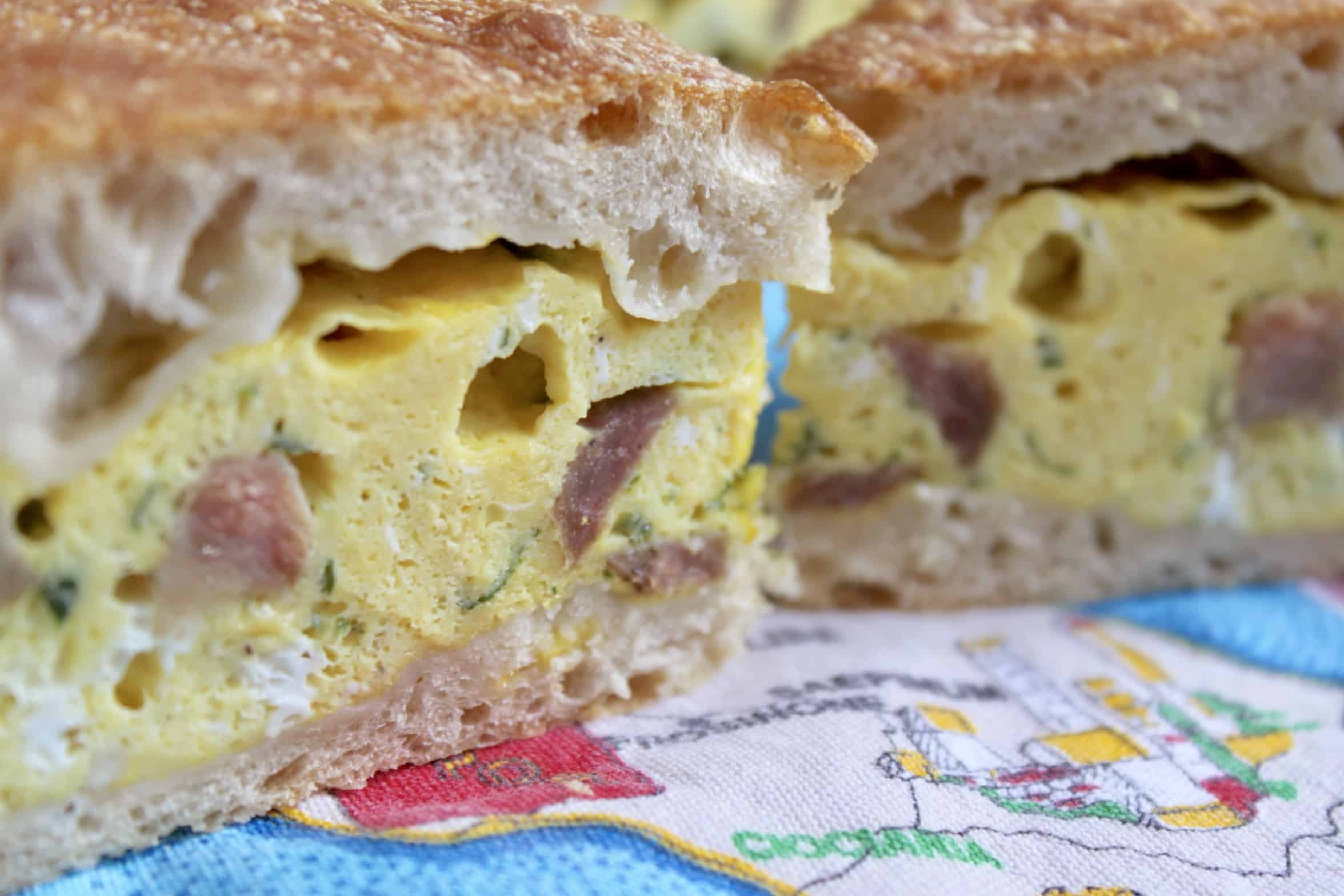
Pizza rustica (rustic pizza) or Italian Easter pie, a Southern Italian dish, is made with lots of eggs, cheese and cured meats and baked inside a pizza dough crust. My family’s area of Italy calls this traditional Italian Easter bread, “canescione”. It is also called “pizza chiena” in other areas, meaning filled pizza.
Italians often call similar dishes by different names, depending on where they are located in Italy, like the many names for frappe. This dish ends Lent with an indulgent amount of bread, meat, cheese and eggs! What more could you ask for?
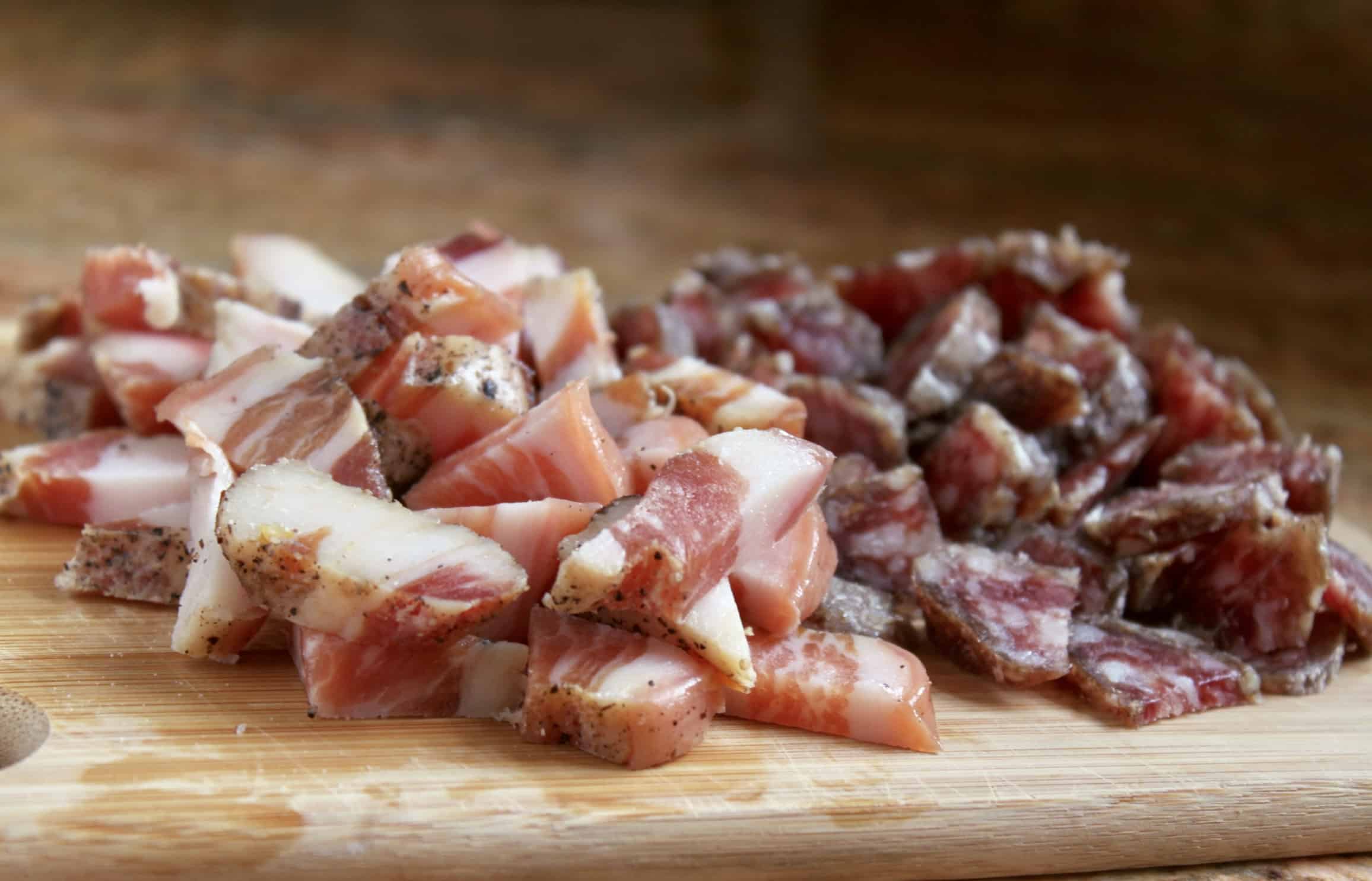
Now, most of you won’t have home cured Italian sausages on hand, I often don’t either, but my mother had made some, and this is how we decided to use them. Instead of using cured Italian sausage, you can use guanciale or pancetta, which are both perfect in the egg mixture.
Can I Make Traditional Pizza Rustica Ahead of Easter?
Absolutely, pizza rustica keeps really well for a few days, and is in fact often taken on a picnic the day after Easter, known as Pasquetta (little Easter).
Variations of Pizza Rustica
Many other pizza rustica recipes call for prosciutto, ham, salami and pepperoni. These are most likely more American Italian recommendations, making do with whatever meat was available. Prosciutto is an expensive cured meat which is normally not used for cooking, especially mixed with many other cured meats. Less is more, and adding every type of cured meat under the sun isn’t very “Italian.”
As for the cheese, if you cannot source a cheese like primo sale, or queso fresco (which is the closest to the type of cheese which belongs in this recipe) then I would omit it before adding mozzarella, Cheddar or a cheese which will just not compliment this bake.
Can I Freeze Italian Easter Pie?
No, I wouldn’t advise freezing this pie as it is full of eggs and the texture just won’t be the same afterwards (it will get rubbery).
If you’re going to make an Italian Easter pie, you should also make an Italian Easter cake!

Easter Pie in Toronto.
A few years ago, we spent Easter with my family in Toronto, and my Zia Francesca made this Italian Easter pie. You can see the chunks of cheese in hers because it’s readily available to her.
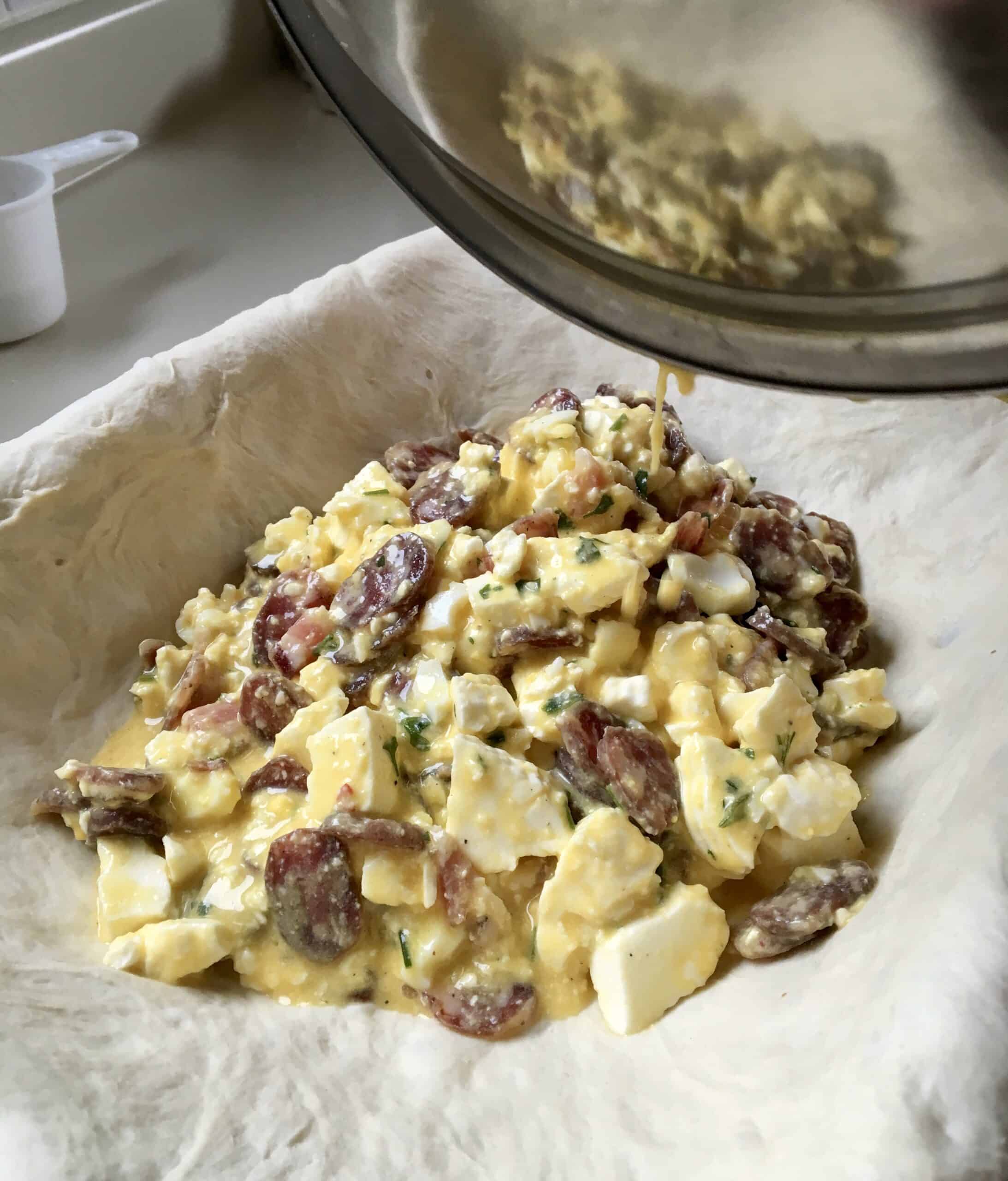
My nonna made this with fresh cheese, so if you want to add it, use chunks of a soft, fresh cheese like queso fresco, unless you’re lucky enough to be able to buy fresh Italian cheese (or make it yourself).
You may also enjoy these Italian treats: individual Italian Easter bread rings.
They make awesome Easter table decorations!

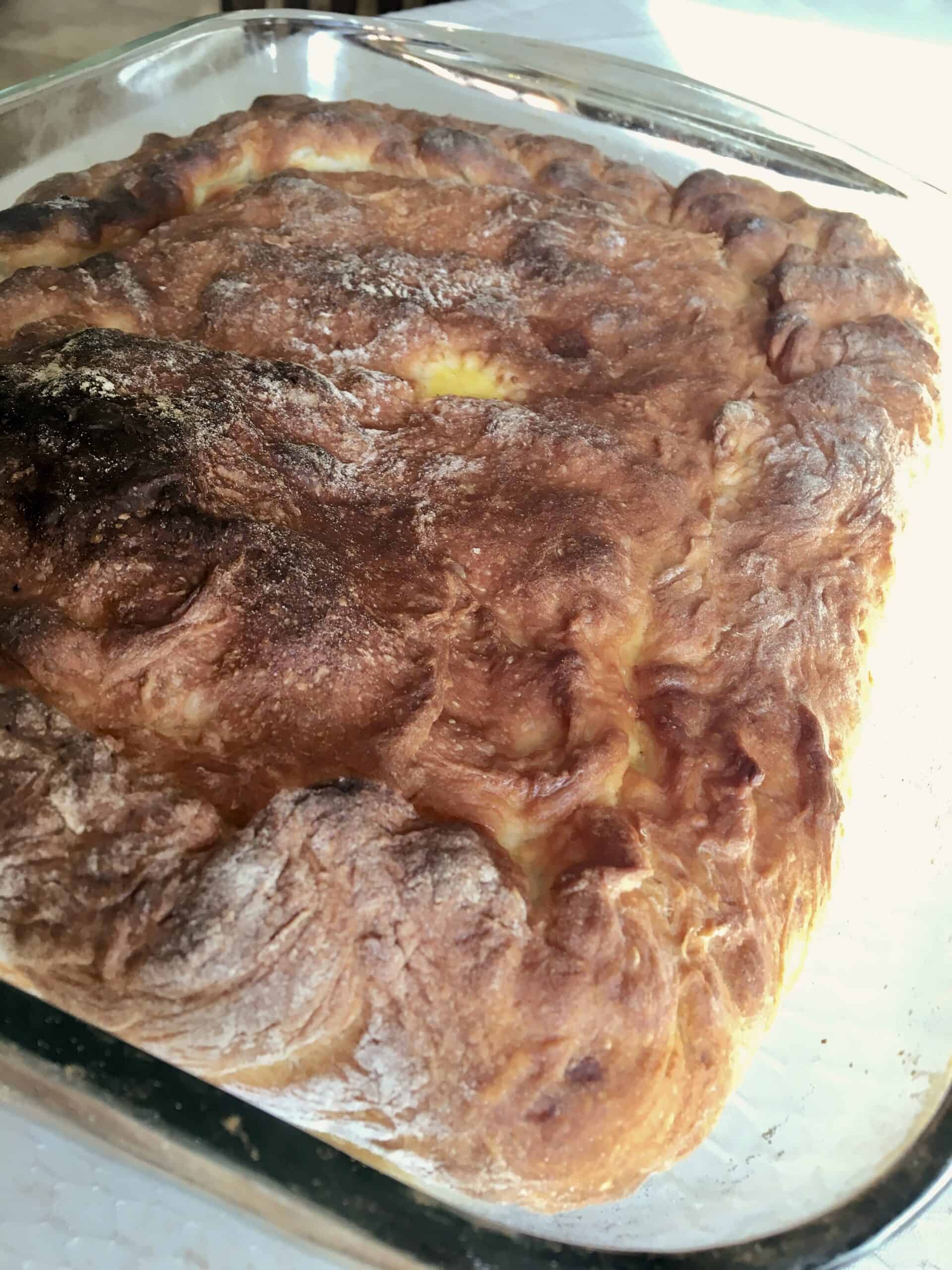
This is what my aunt’s pizza rustica looked like after baking, so just know you can make it in any shape you like as long as the pan or tray isn’t too deep.
Like more filling and less bread?
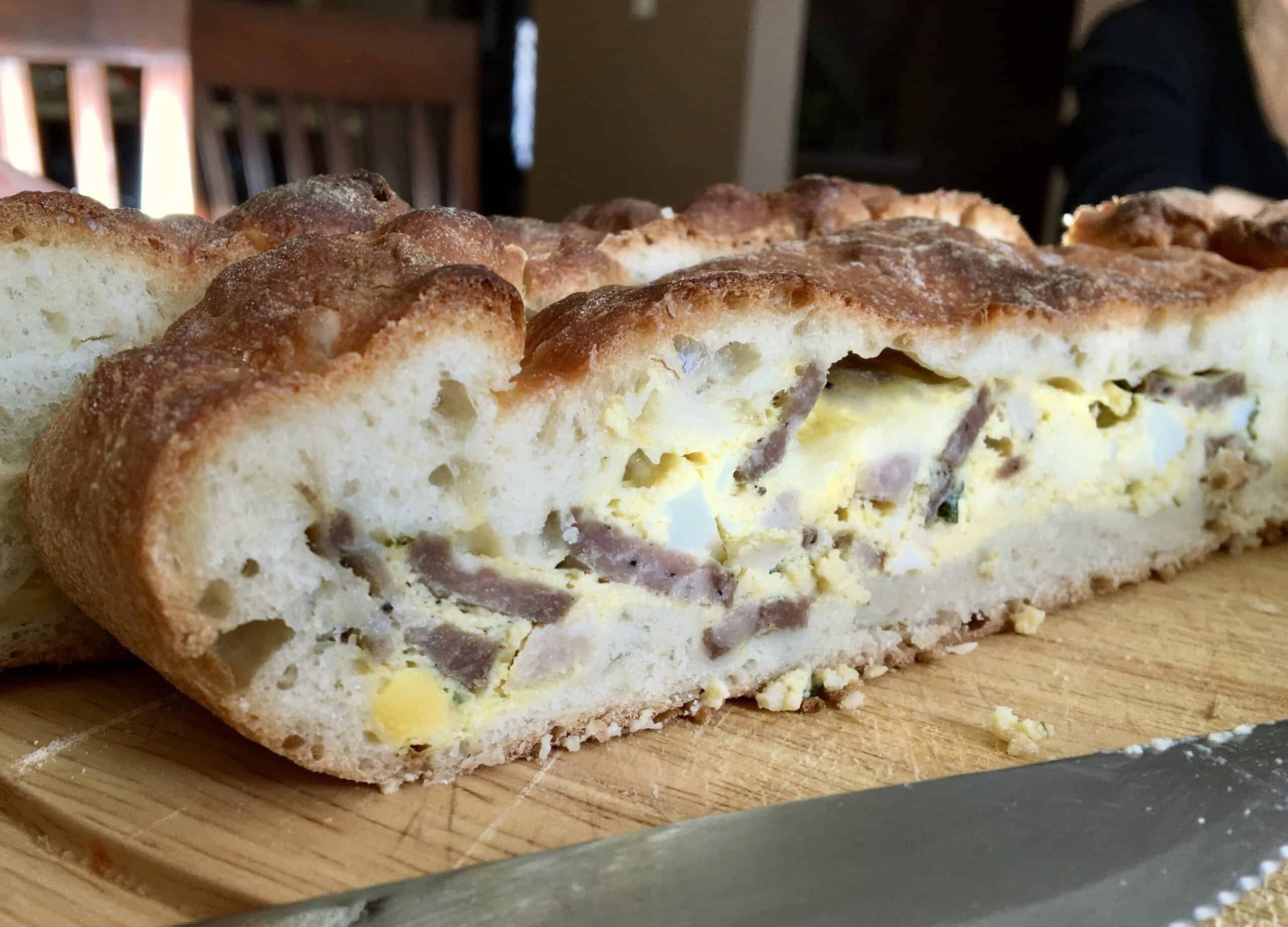
Just add more eggs, cheese, and cured meat.
Do you eat Pizza Rustica Hot or Cold?
YES, both ways! Italian Easter pie is delicious hot, room temperature or cold! I recommend the first two options more than straight from the fridge.
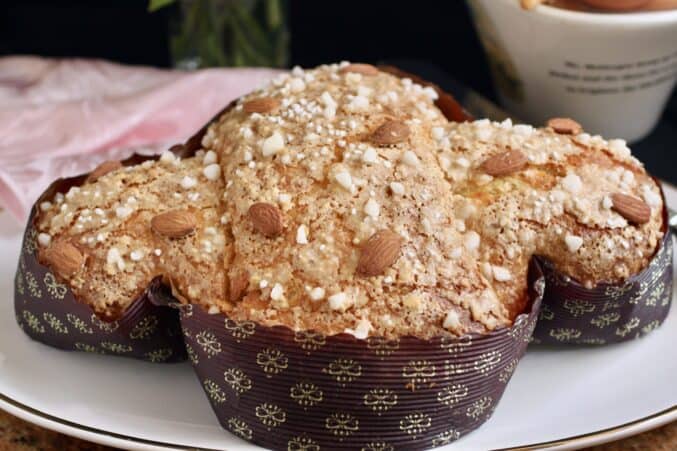
Did you know you can make your own colomba di Pasqua (Easter dove bread)?
Now back to the savory option; here is how my family makes this delicious filled traditional Italian Easter pie.
Pizza Rustica ~
Traditional Italian Easter Pie with Eggs
A family recipe by my Nonna Chiarina serves 8
FULL PRINTABLE RECIPE BELOW
Ingredients
- pizza dough
- eggs
- water
- sea salt
- black pepper
- cured meats like guanciale, pancetta or dry cured Italian sausages
- fresh cheese (like queso fresco)
- Parmigiano Reggiano DOP
- Italian parsley
- extra virgin olive oil
Directions to Make the Pizza Chiena
Preheat oven to 475º F (250º C)
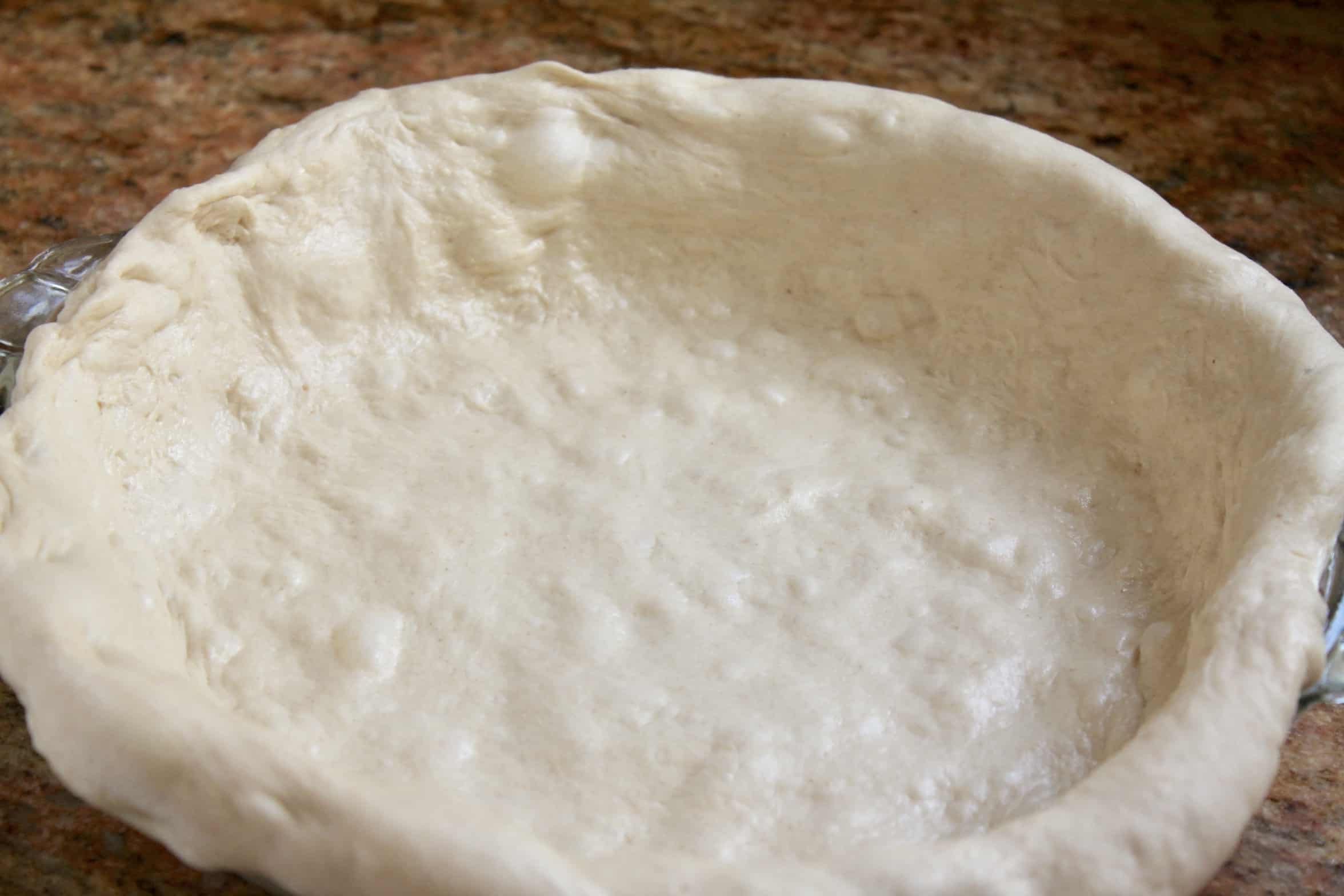
Flatten ⅔ of the dough for the bottom, and place in an oiled pie dish (let some overhang).
Make the Filling for the Easter Pie – Pizza Rustica.
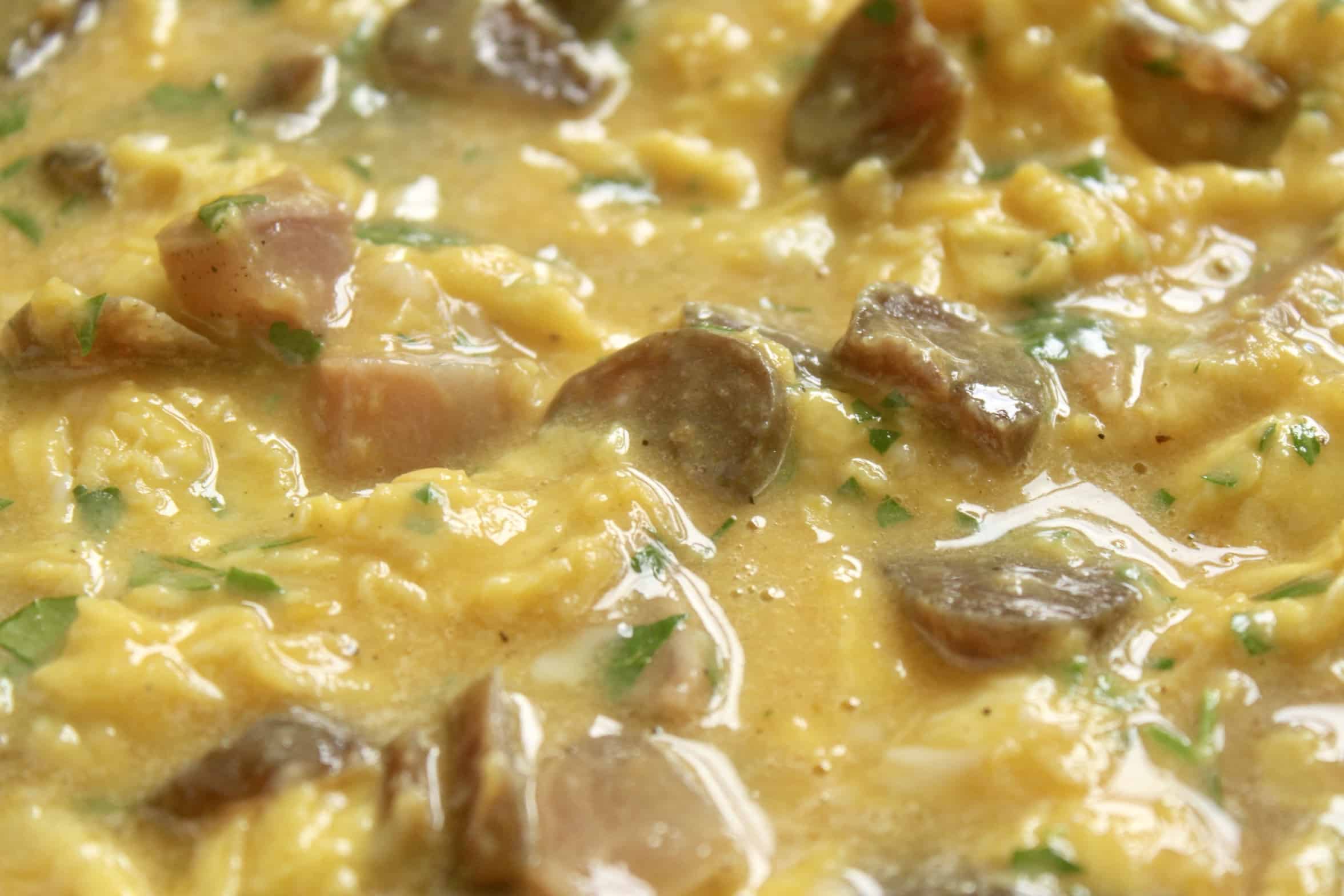
Beat the eggs, water, salt, pepper, then add the sausage, bacon or pancetta. Also add the soft cheese, if you’re using it (I didn’t have it this time).
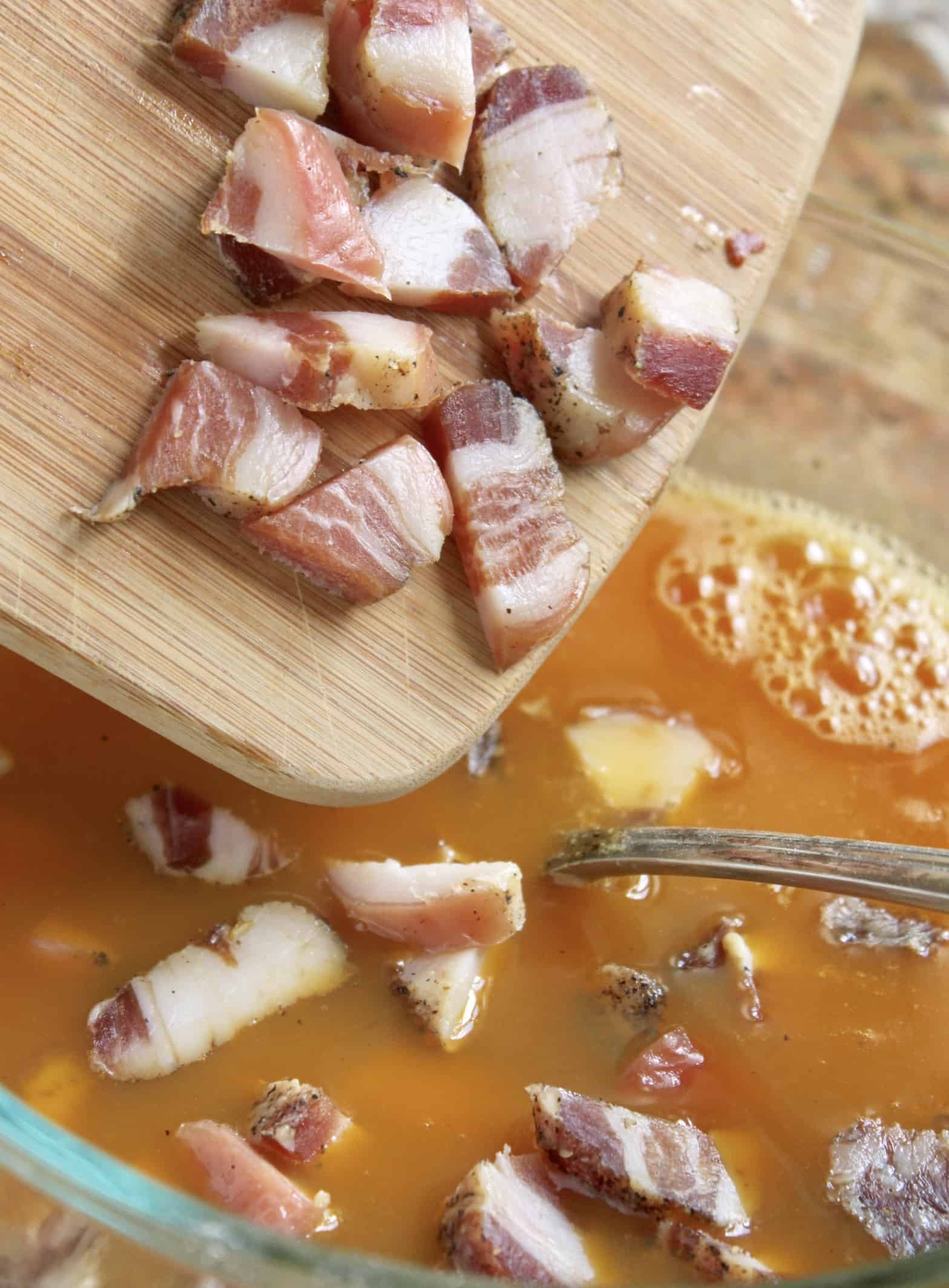
Next add the Parmigiano Reggiano (or Pecorino Romano). Please try to find the real and authentic products (I’ve linked to the real deal).
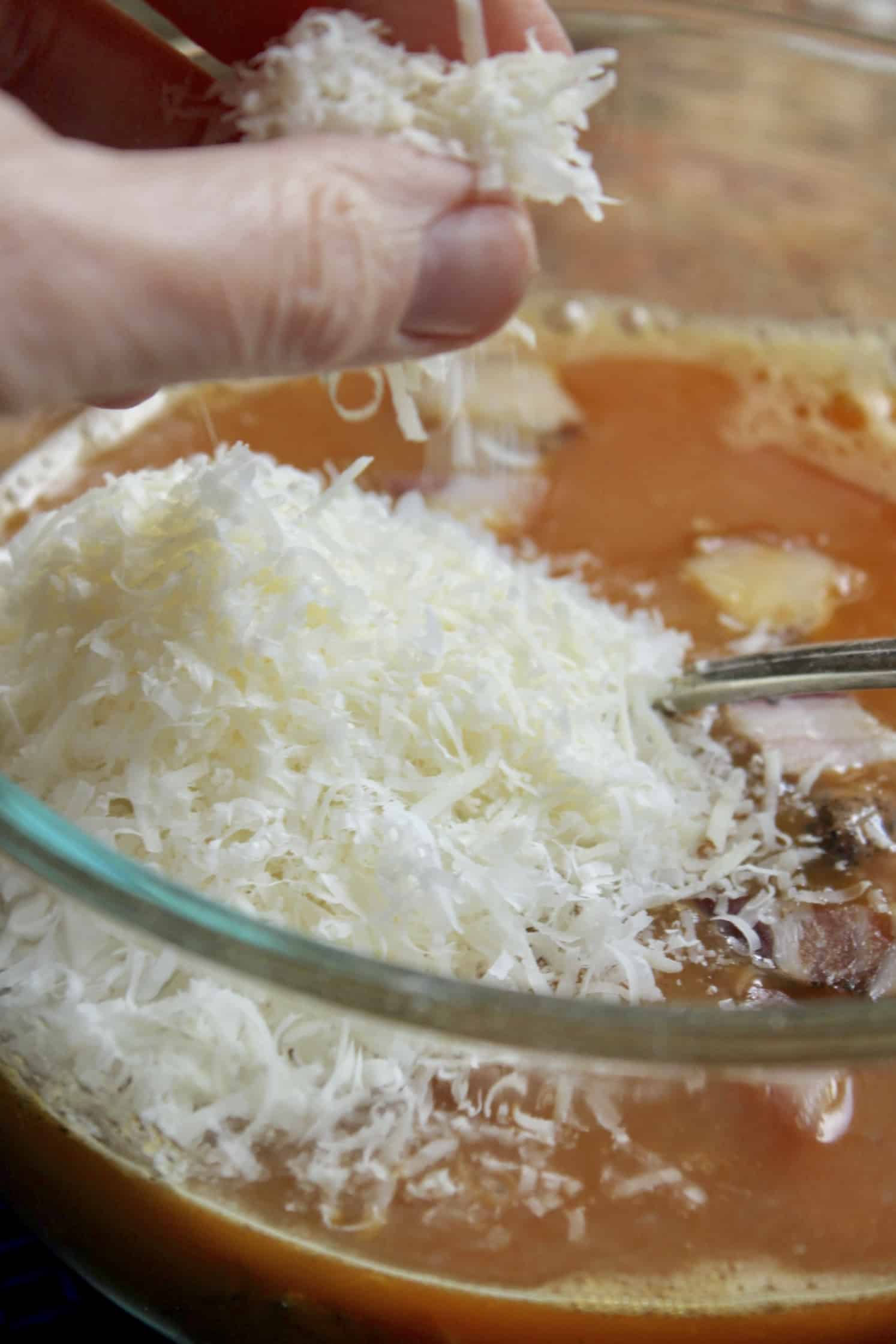
Lastly, add the chopped parsley.
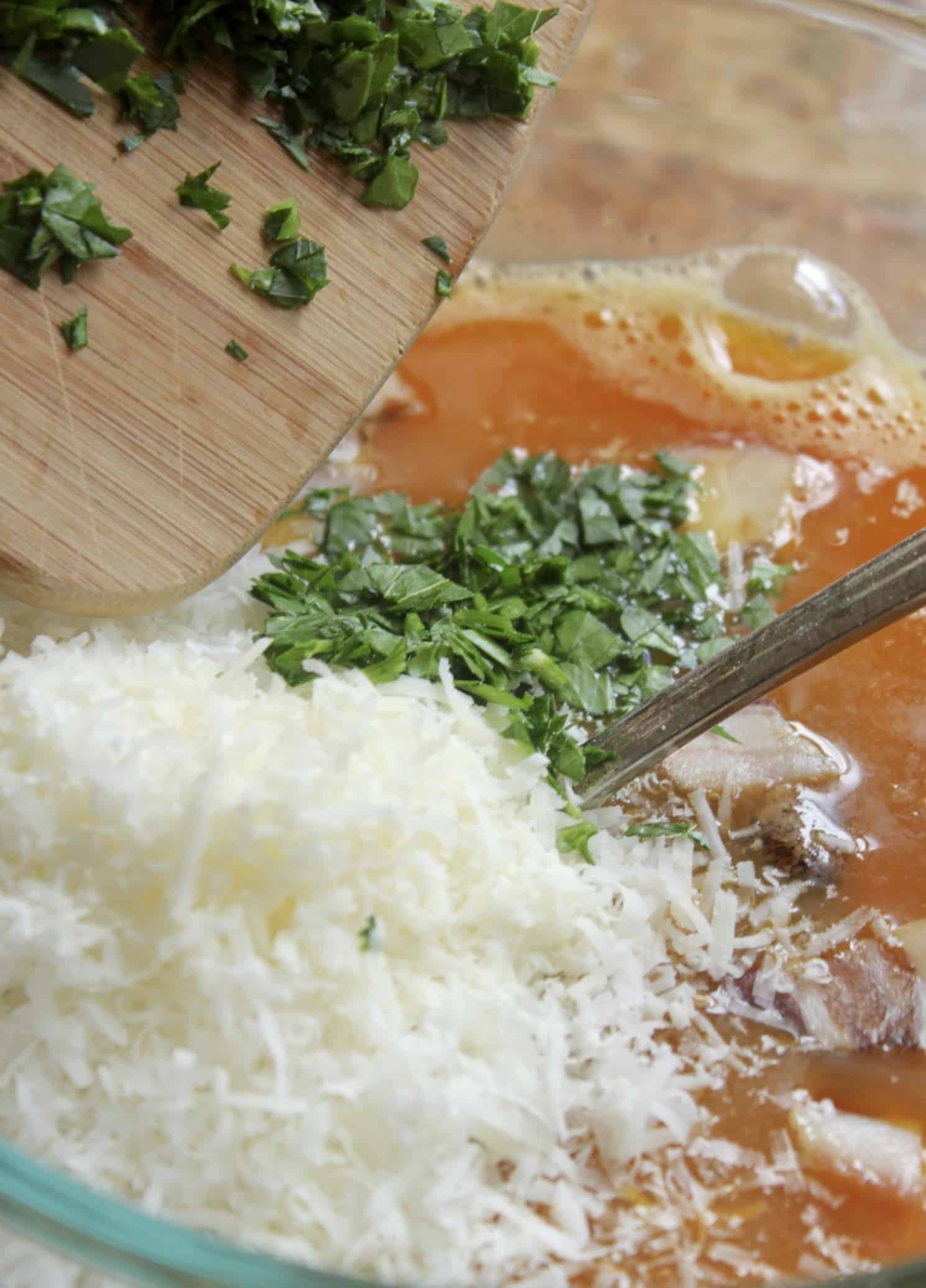
Mix well.
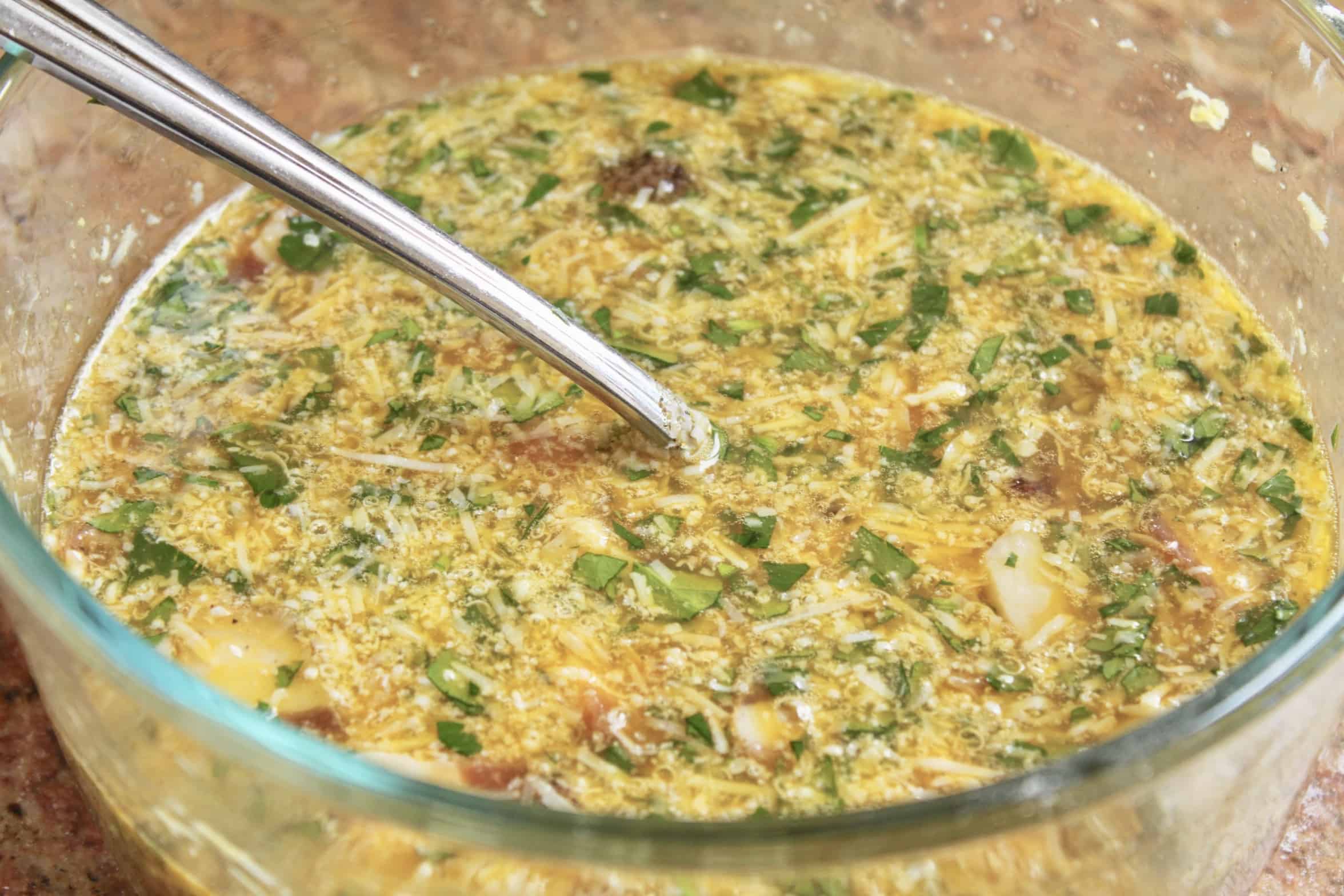
Partially cook this mixture in a non-stick frying pan, you can actually cook it a little more than I did, as it makes it easier to work with.
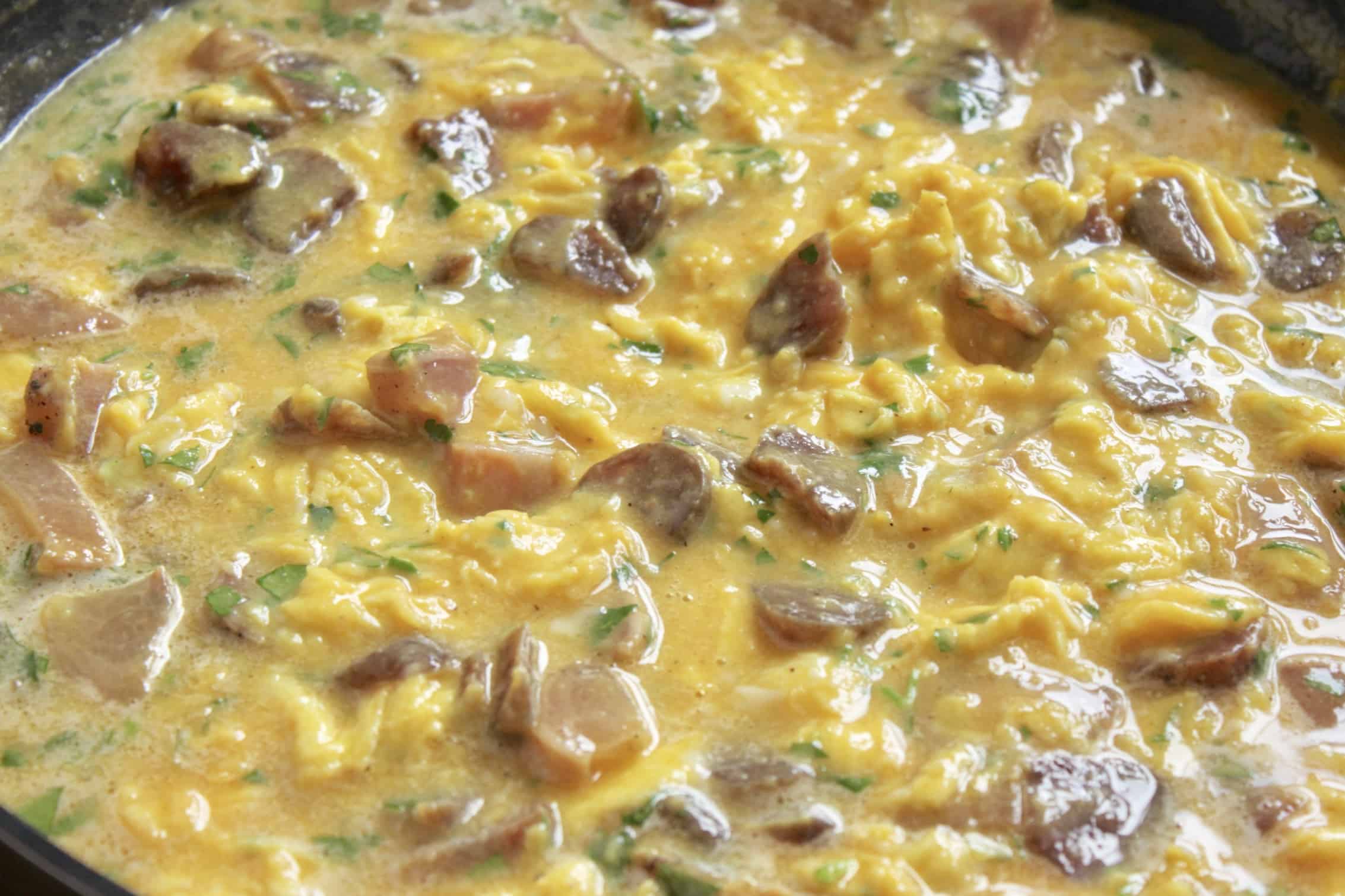
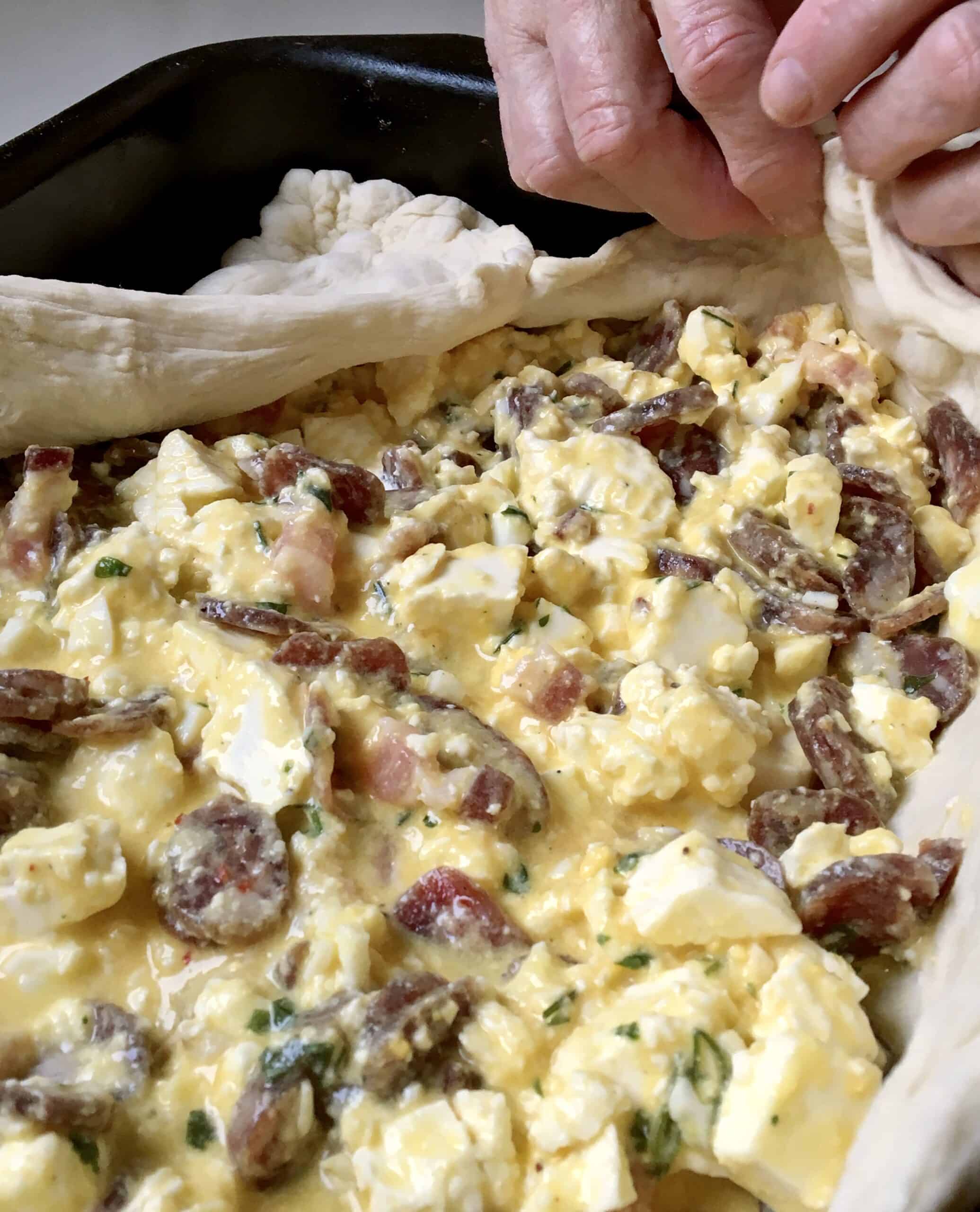
Pour the mixture into the lined pie dish.
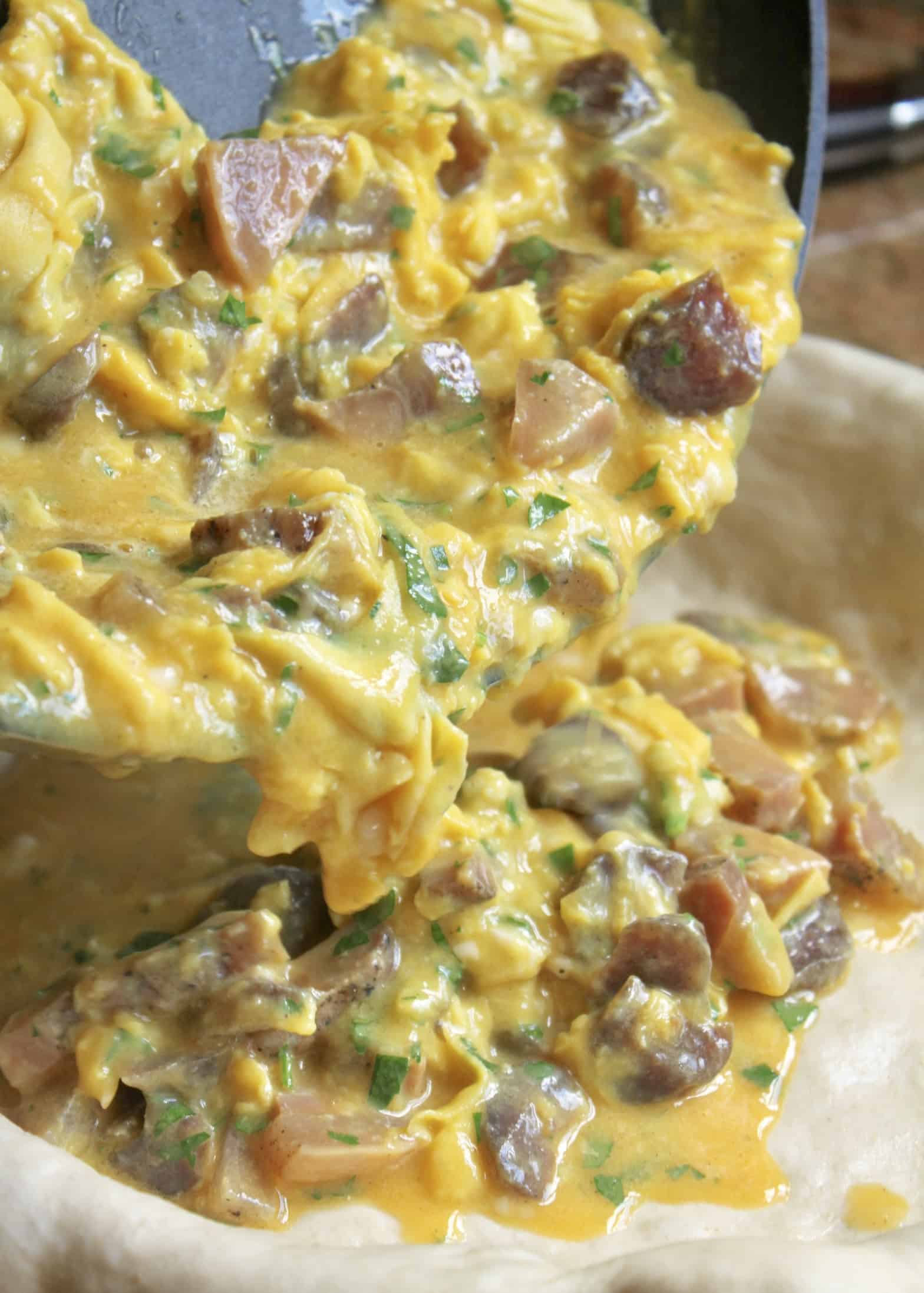
Ready for the top.
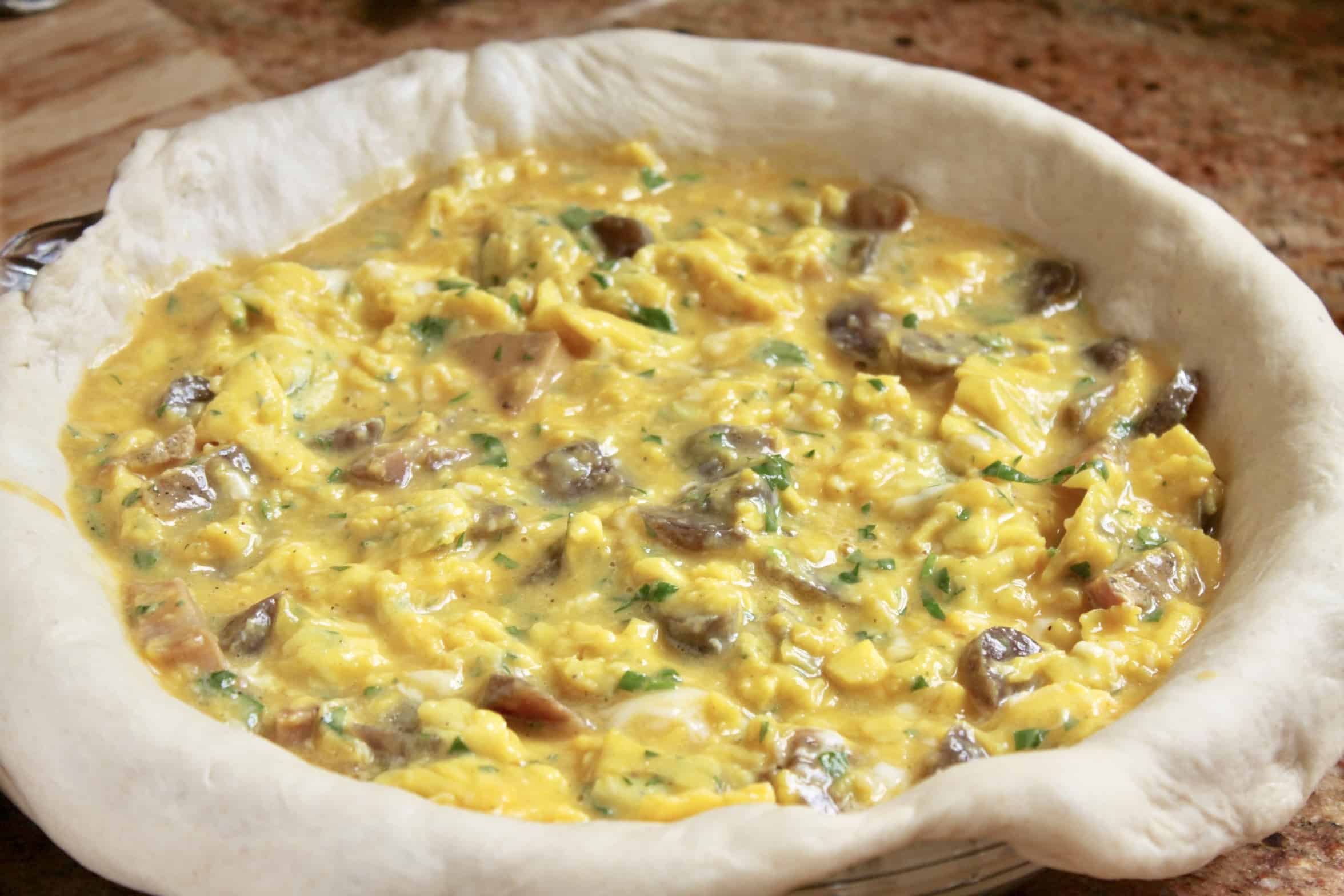
Complete the Easter Pie and Get it Ready for the Oven.
Flatten the pizza dough for the top using only your hands.
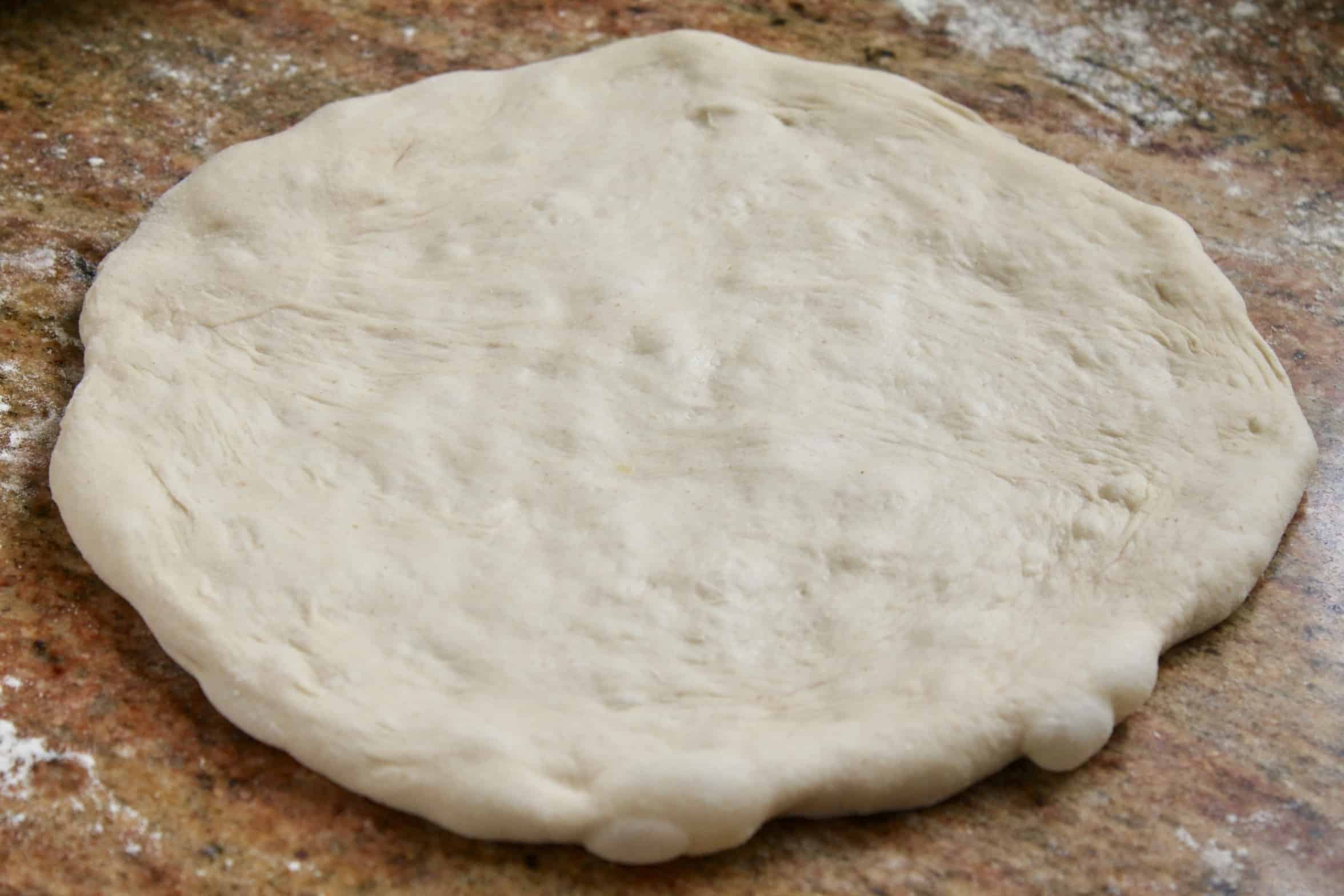
Wet the edge of the bottom pie dough with water.
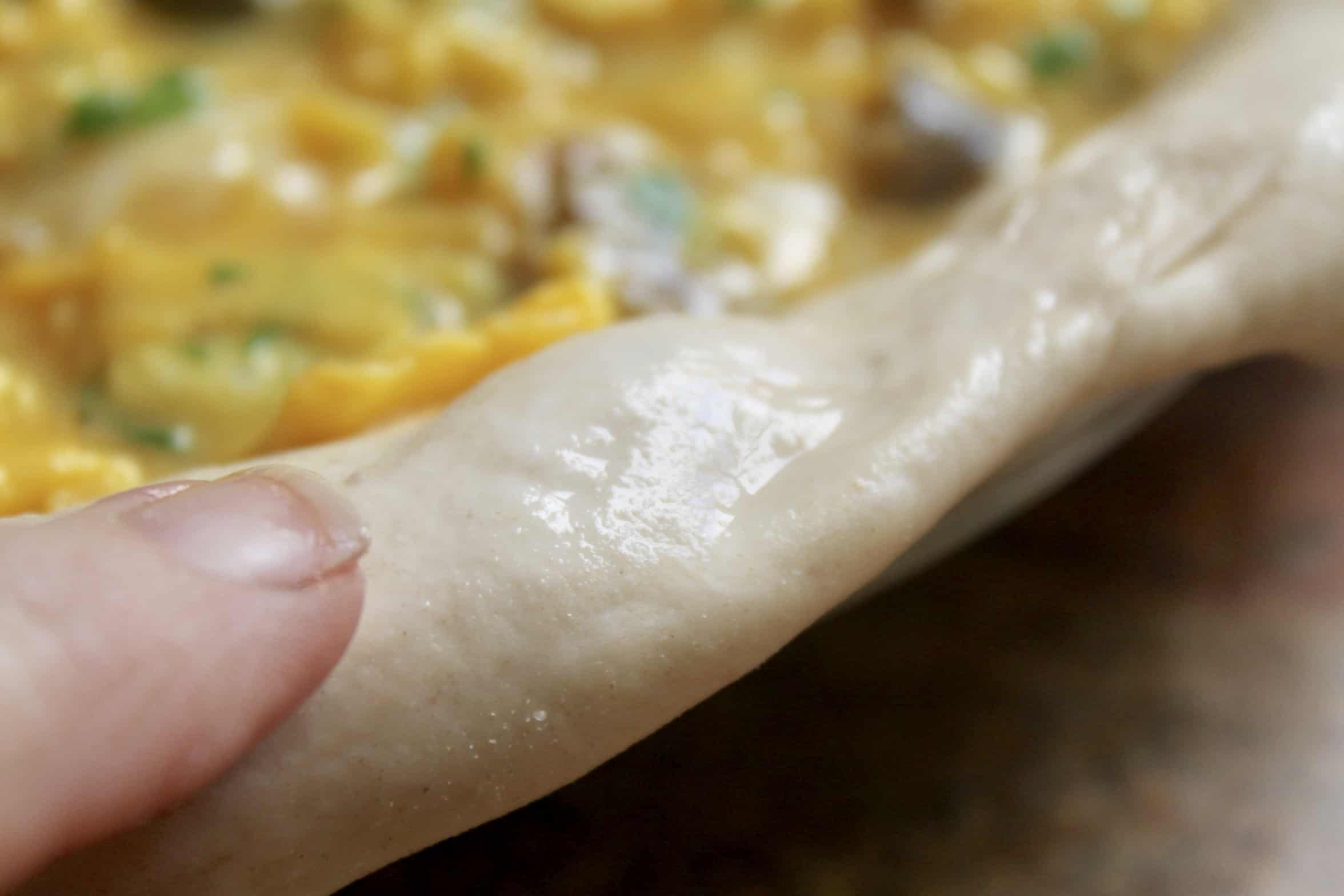
Then place the lid on top, pressing slightly to seal. If you have someone nearby, get another pair of hands to help, so that the dough doesn’t fall into the egg mixture.
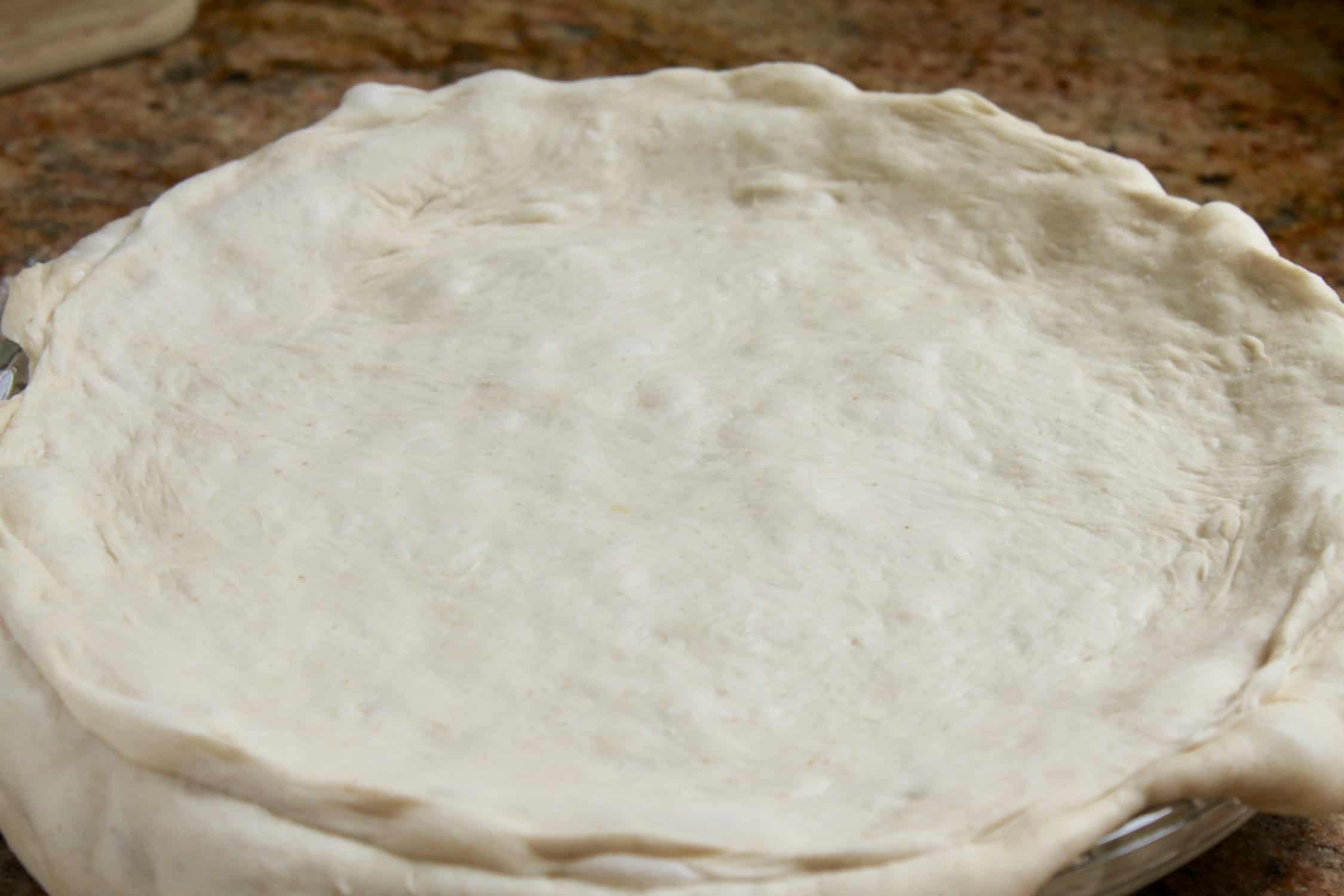
Cut off the excess dough with a sharp knife.
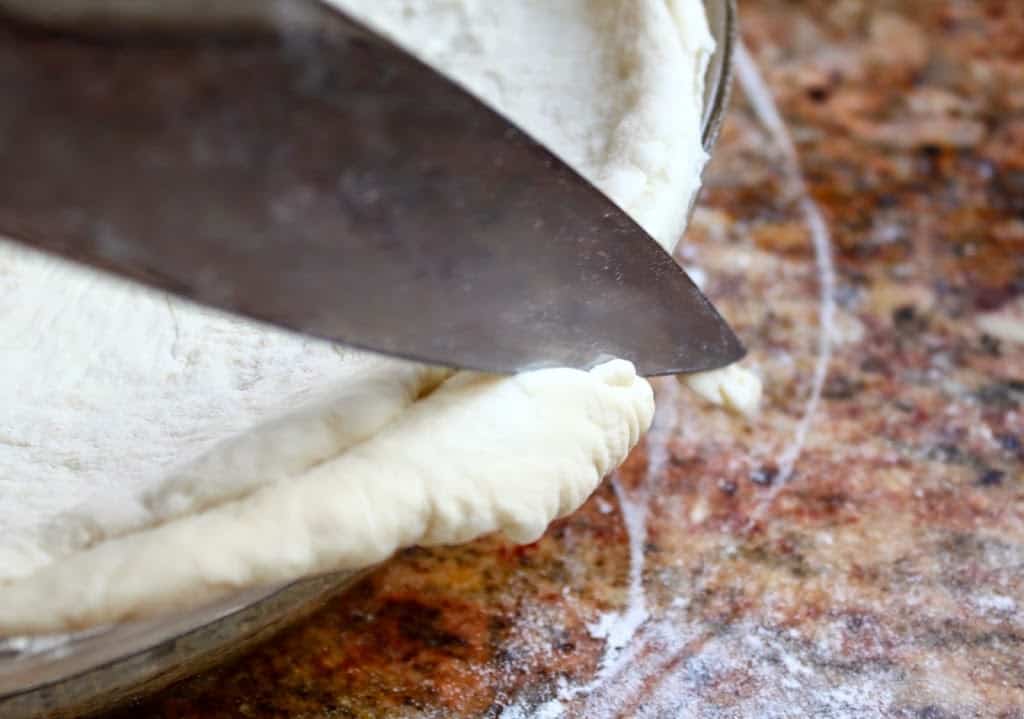
Pour some olive oil on top and brush it over the top.
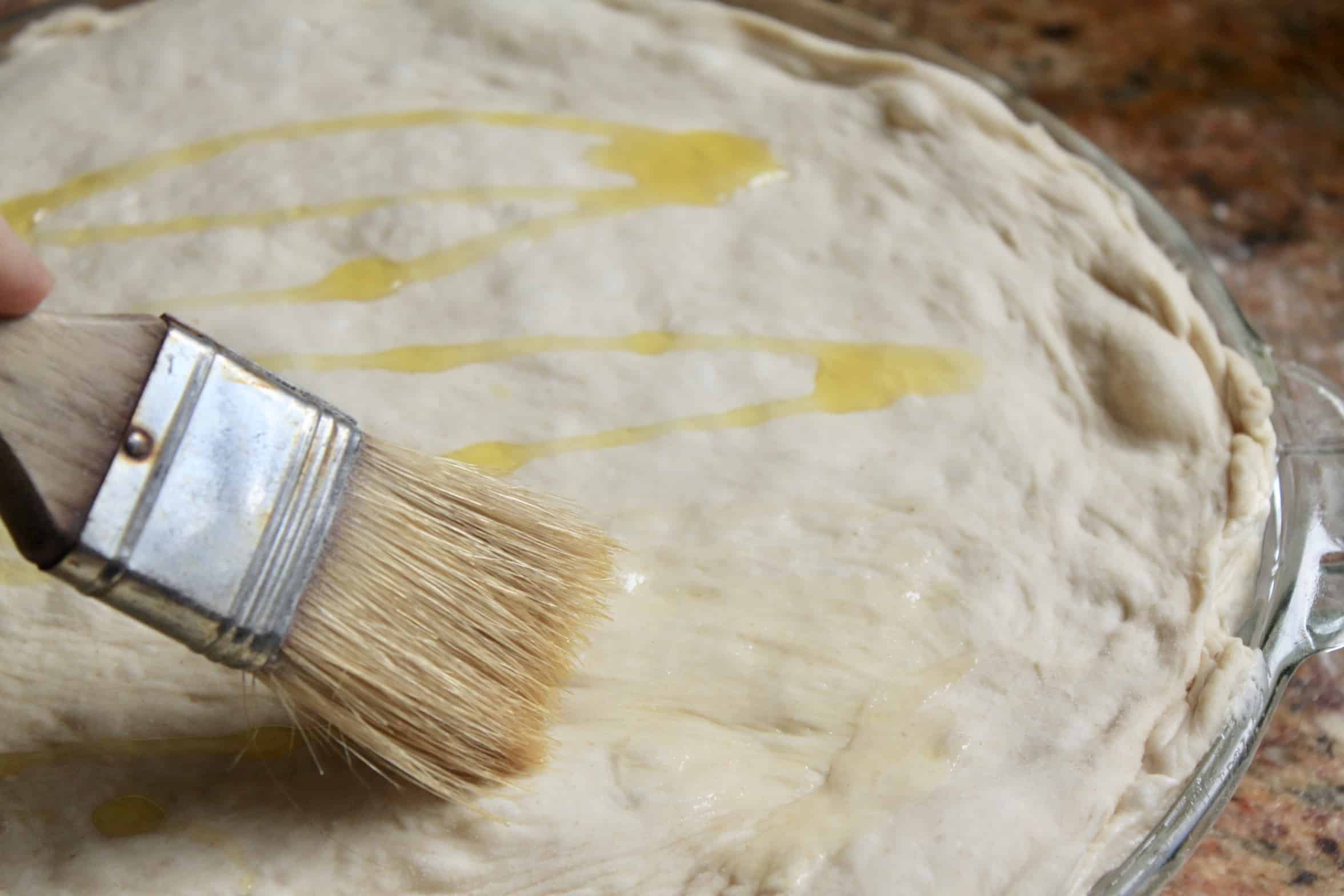
Make a slit in the center of the pie.
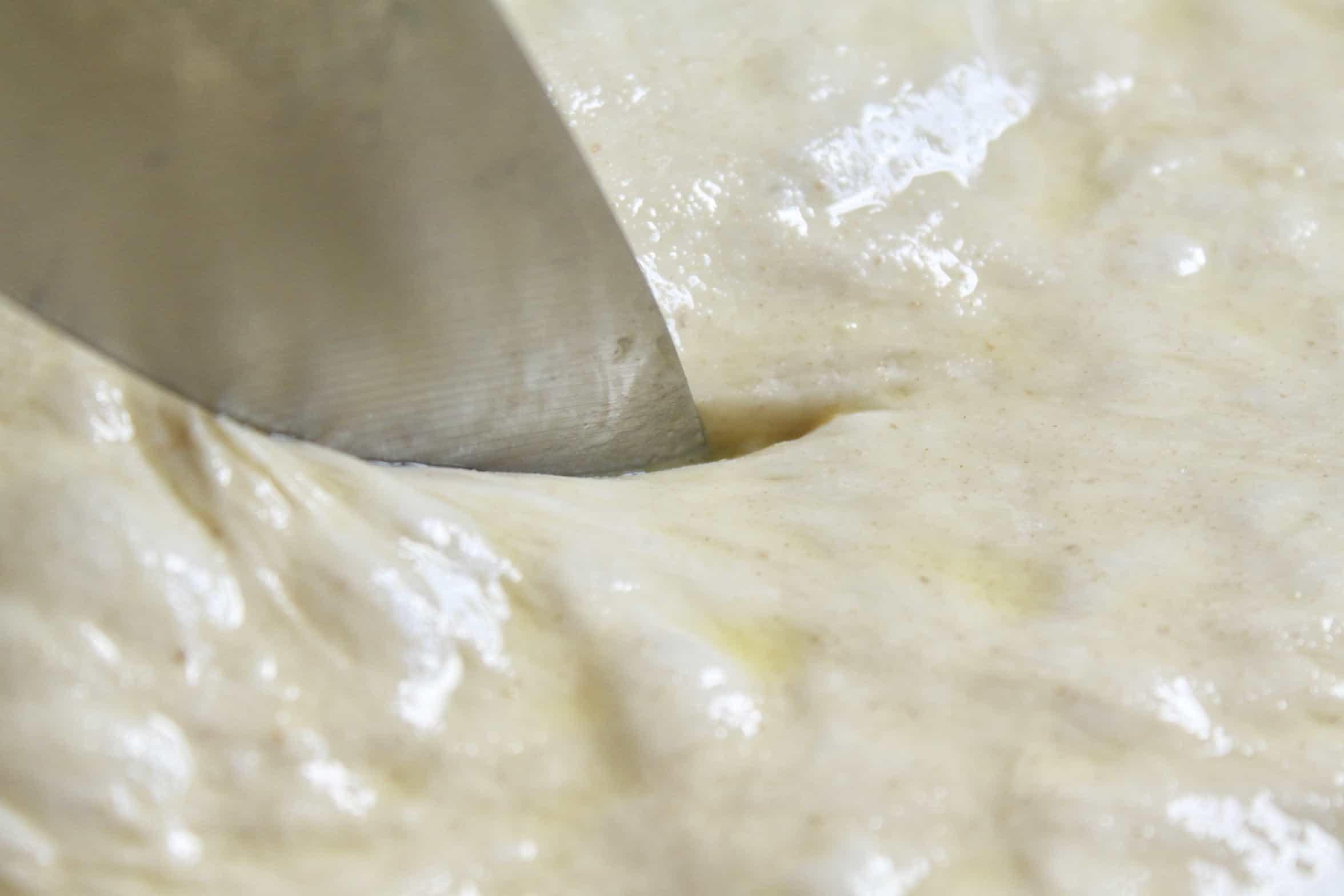
Bake the Pizza Rustica
Bake on a lower shelf of the oven for about 30 minutes or until it is a deep, golden brown.
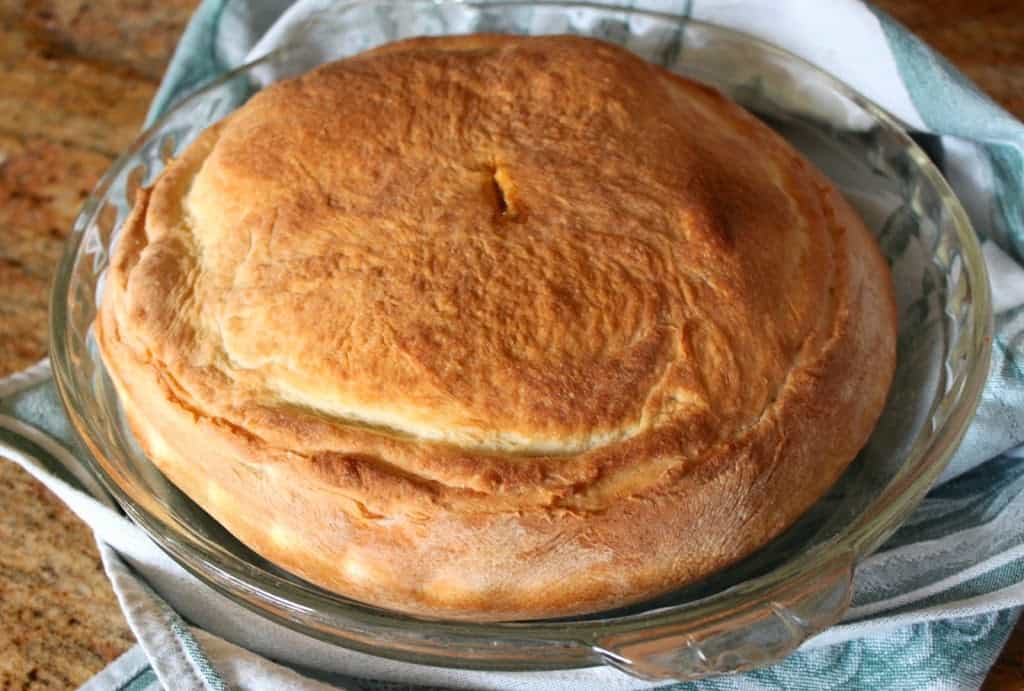
Allow to cool slightly, or completely before cutting. I prefer mine warm, but it is still perfectly delicious when cold, too, making it perfect for serving when you have company and want to have things made ahead of time.
Feel free to add some hot pepper to the egg mixture if you like a little spiciness, and keep any leftover pizza rustica in the fridge. Note: this is never served on Good Friday since it’s full of meat. A traditional Good Friday recipe is hot cross buns, though–a British baked good.
Don’t miss another post! Sign up for my free subscription.
Pizza Rustica (Italian Easter Pie)
Ingredients
- 1 recipe pizza dough Neapolitan style (see NOTES for recipe)
- 9 eggs pasture raised, organic if possible
- 2 Tbsp water
- 2 tsp sea salt
- ⅛ tsp black pepper to taste
- 1 cup Italian sausages cured not fresh, or guanciale or pancetta pieces
- ¾ cup fresh cheese (optional) like queso fresco
- ½ cup Parmigiano Reggiano grated
- 2 Tbsp Italian parsley chopped, fresh
- 1 Tbsp extra virgin olive oil as needed for pie dish and to brush on top of dough
Instructions
- Preheat oven to 475º F (250º C)
- Shape and flatten by hand ⅔ of the dough for the bottom, and place in an oiled pie dish (let some overhang). The dough is easier to work with if you form two balls and let them rest for 10 minutes.
- Beat the eggs, water, salt, pepper. Then add the sausage, bacon or pancetta, fresh cheese (if using), Parmigiano or Pecorino cheese, and parsley, Partially cook this mixture in a non-stick frying pan, you can actually cook it a bit more than I did, as it makes it easier to work with. Pour the mixture into the lined pie dish.
- Flatten out the pizza dough for the top. Wet the edge of the bottom pie dough with water, then place the lid on top, pressing slightly to seal. Try to get another pair of hands to help, so that the dough doesn't fall into the egg mixture.
- Cut off the extra dough with a sharp knife.
- Pour some olive oil on top and brush it over the top.
- Make a slit in the center of the pie and bake for about 30 minutes or until it is a deep, golden brown.
- Allow to cool slightly, or completely before cutting. I prefer mine warm, but it is still perfectly delicious when cold, too, making it perfect for serving when you have company and want to have things made ahead of time.
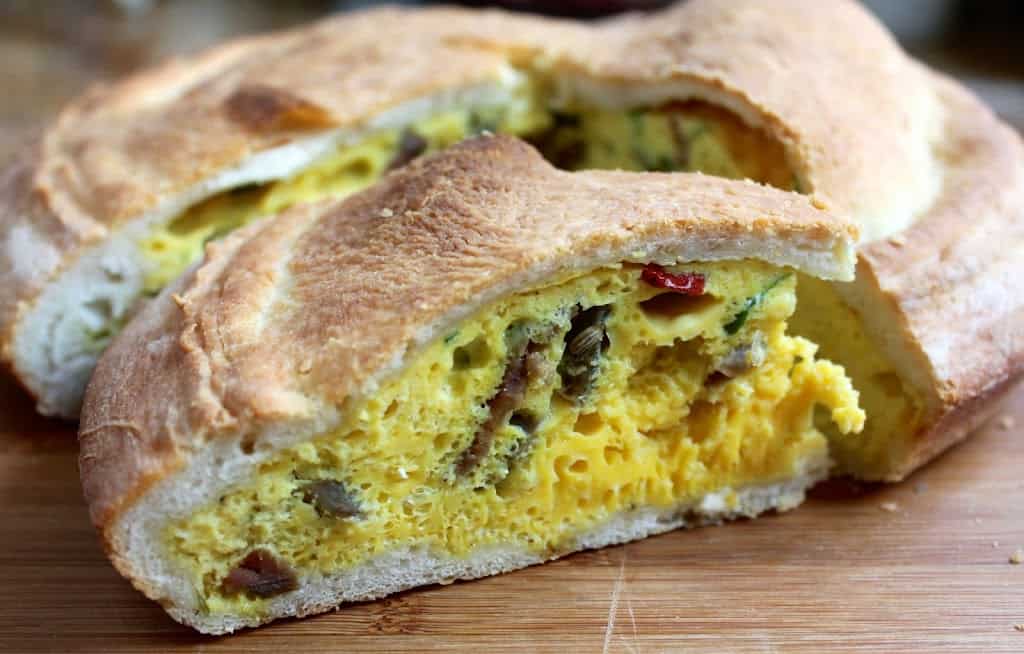
- The red you see in the slice is a bit of cayenne pepper from the sausages. Feel free to add some hot pepper to the egg mixture if you like a little spiciness.
Notes
- Use this pizza dough recipe.
- The dough is easier to work with if you form two balls (two-thirds and one-third pieces), and let them rest for 10 minutes.
Nutrition
BUONA PASQUA!
LA Living…
the “lone fig” on my tree.
Christina’s Cucina is a participant in the Amazon Services LLC Associates Program, an affiliate advertising program designed to provide a means for sites to earn advertising fees by advertising and linking to Amazon.com
Thank you for posting this recipe! I’ve been seeing pizza rustica all over social media using spring pans and tons of meats and cheeses together which is just not what I’m used to. My grandmother would make smaller hand formed pies typically just 2 varieties. One with just sausage and another spinach. This is the closest Ive seen to what she made. I miss her delicious food and I try to mimic everything she made. Bless you and Happy Easter ❤️
Hi Susan, I am happy you found it, it’s really hard to wade through so much rubbish online because anyone can post anything, even people who’ve never even been to Italy or tasted the real deal. Very frustrating for me to see, and also for people like you who know the difference and can’t find the authentic recipes. God bless you and Happy Easter, as well!
Can you use pie crust, and make this either in a pie plate or springform pan?
It won’t taste the same with pie dough (if you do it needs to be no sugar), but yes, pie plate or springform will work as long as you can work to get it closed in the latter.
I know that coddled eggs wouldn’t work in this recipe, but … in my family, we made our Easter pie with cooked loose Italian sausage instead of cured meat. We had two kinds of crusts. One was yeast-raised, like this one. Another was a short crust, with just a hint of sweetness so that the pie had a sweet/savory contrast. And because my relatives called it Easter Calzone, I never knew how to find the recipe!
Oh, my word!! I didn’t know Easter Pie existed! You mean I have been missing out on this all these years? It looks and sounds delicious, and I am going to try this this weekend! Also I would love to enter your contest for that gorgeous looking egg cooker! My favorite way to cook eggs is to make an omelet. A ham and cheese and salsa omelet is my favorite, but did you know you can take leftovers and use them for your omelet filling? Just almost anything works, but my favorite “leftover omelet” is using leftover enchiladas for the filling. Yummy! Just heat up one or two enchiladas and then put them into your freshly made omelet. Try it, you’ll like it!